Role of Protein Sources in Balanced Meal Structures
Understanding how different proteins contribute to nutrient delivery and meal composition
Amino Acid Profiles and Protein Composition
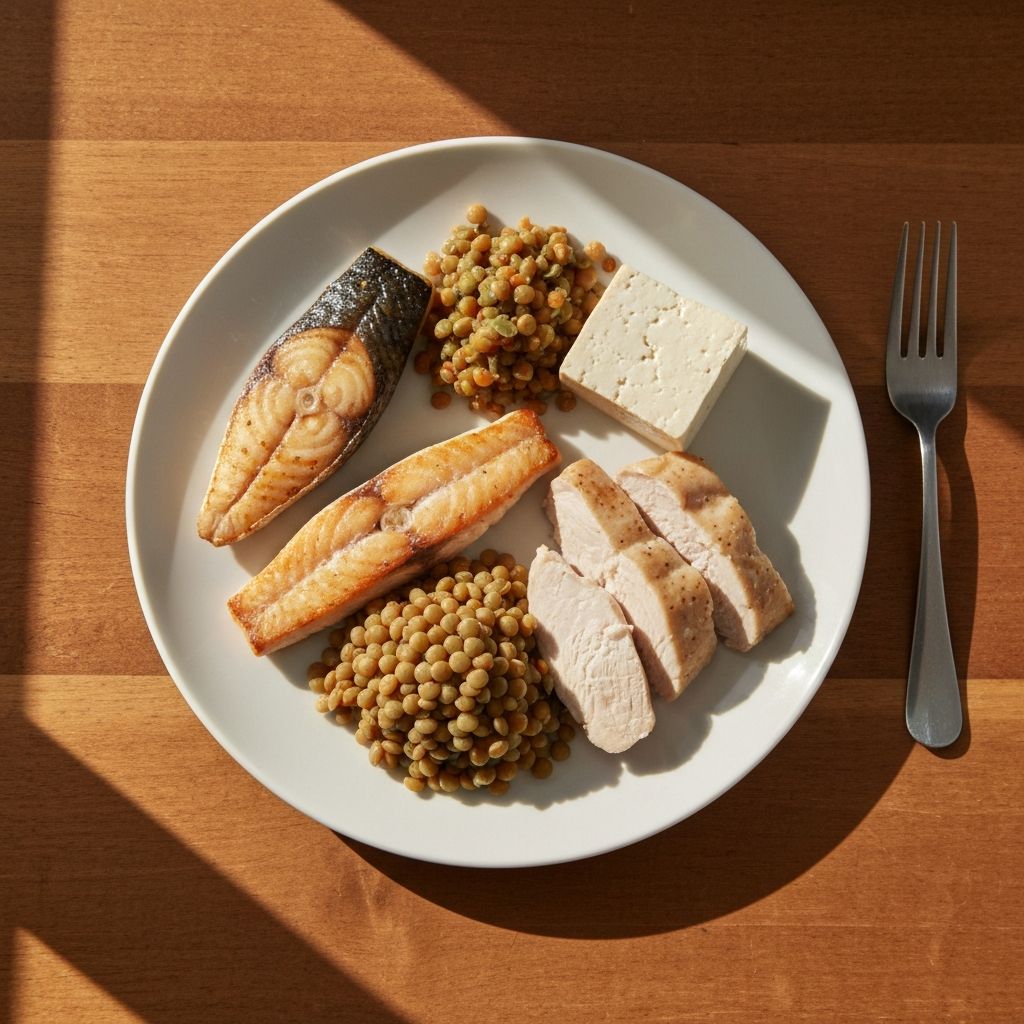
Proteins function as the primary source of amino acids, organic compounds forming structural and functional components throughout the body. Different protein sources vary in amino acid composition. Animal-based proteins from fish, poultry, and eggs contain all nine essential amino acids in relatively balanced proportions.
Plant-based proteins from legumes, nuts, and seeds provide amino acids but often with different composition patterns. Legumes combine well with grains to create complementary amino acid profiles. Understanding protein diversity allows flexible meal composition without requiring a single protein type.
Micronutrient Contributions Beyond Protein
Protein sources deliver far more than amino acids. Fatty fish provide omega-3 fatty acids and vitamin D alongside protein. Red meat delivers heme iron and B vitamins. Legumes contribute fibre and minerals. Nuts and seeds provide healthy fats and micronutrients. These diverse nutrient profiles make protein source variety nutritionally advantageous.
The micronutrient composition of different proteins influences overall meal nutrient density. Choosing varied protein sources across eating occasions delivers different micronutrient combinations, supporting diverse nutrient status without requiring supplementation.
Animal-Based Protein Options
Fish and seafood provide not only complete proteins but also omega-3 fatty acids and various vitamins and minerals. Different fish types offer varying omega-3 concentrations and other nutrients. Poultry offers lean protein with relatively low fat depending on preparation method. Eggs provide complete protein alongside choline and various micronutrients.
Red meat delivers highly absorbable iron, zinc, and B vitamins including B12, which is not naturally present in plant sources. Dairy products combine protein with calcium and vitamin D. Variety among animal proteins ensures diverse micronutrient delivery.
Plant-Based Protein Alternatives
Legumes including beans, lentils, and chickpeas provide plant proteins alongside substantial fibre and minerals. Soy-based products deliver complete proteins rivalling animal sources. Nuts and seeds offer plant proteins with healthy fats. Whole grains contribute some protein alongside carbohydrates.
Plant-based proteins work effectively in balanced plate structures. Combining legumes with grains creates complementary amino acid profiles. The additional fibre and micronutrients in plant proteins contribute to overall meal nutritional quality independent of protein function.
Protein Portions and Satiety
Protein concentration influences satiety—the duration of feeling satisfied after eating. Meals including adequate protein tend to produce prolonged satiety compared to carbohydrate-only meals. This characteristic influences how portion sizes work within balanced plate models.
Different proteins have different satiety effects. Lean proteins may create different satiety patterns than fatty proteins. Individual variation matters substantially, with genetics and individual physiology influencing satiety response. The plate model's flexibility allows people to adjust protein portions based on their satiety experiences.
Explore Other Meal Components
Learn about whole grains and starchy foods, vegetable components, and how all parts work together in balanced plate frameworks.
View all articles